
Supply Chain Resilience in ASEAN: AI Amid Geopolitical Shifts
In a world where geopolitical tensions are on the rise, the need for resilient supply chains has never been more critical. The Association of Southeast Asian Nations (ASEAN) stands at the crossroads of opportunity and challenge, particularly as it navigates the complexities brought about by shifting global dynamics. One of the most promising solutions to enhance supply chain resilience in this region is the integration of Artificial Intelligence (AI).
Understanding the Landscape
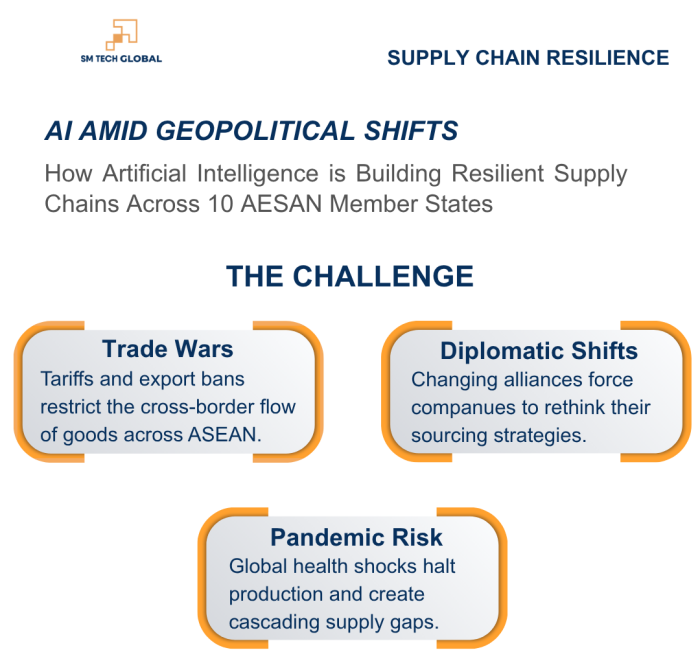
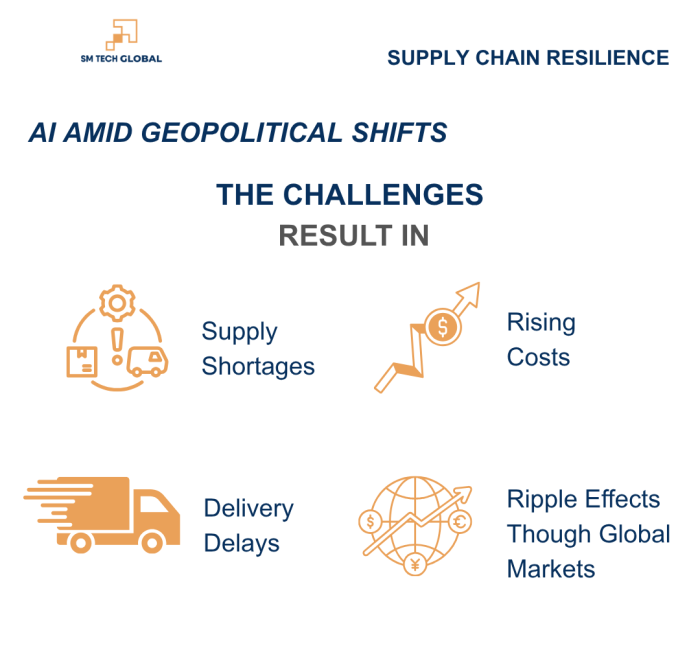
ASEAN is a vibrant economic bloc, comprised of ten member states, each with unique strengths and challenges. The region’s supply chains are deeply integrated into the global economy, making them vulnerable to geopolitical shifts—be it trade wars, diplomatic tensions, or even a pandemic. The disruptions from these factors often result in supply shortages, increased costs, and delays that ripple through global markets.
AI as a Game Changer
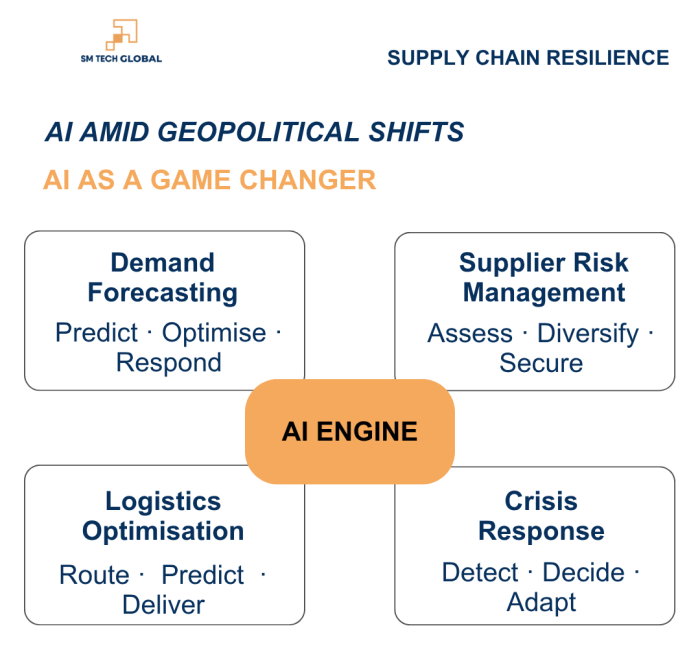
Artificial Intelligence offers a powerful toolkit to bolster supply chain resilience. From predictive analytics to real-time monitoring, AI can help businesses anticipate disruptions and respond proactively. Here are some key areas where AI can make a significant impact:
1. Demand Forecasting: AI algorithms can analyze vast amounts of data to predict market demand with impressive accuracy. This enables companies to optimize inventory levels, reducing the risk of overstocking or stockouts, which can be particularly crucial during times of geopolitical unrest.
2. Supplier Relationship Management: By leveraging AI, companies can assess the risk levels associated with different suppliers. AI tools can analyze supplier performance data, geopolitical risks, and even social factors to provide a comprehensive view of each supplier’s reliability. This allows companies to diversify their supplier base and mitigate risks associated with single sourcing.
3. Logistics Optimization: AI can enhance logistics by optimizing routes, predicting lead times, and improving overall transportation efficiency. In a region as diverse as ASEAN, where infrastructure can vary significantly, AI-driven logistics can help companies navigate potential bottlenecks and ensure timely delivery.
4. Crisis Response: In the face of disruptions, AI can support real-time decision-making. Advanced analytics can provide insights into current supply chain performance and suggest contingency plans, allowing businesses to respond quickly and effectively to emerging challenges.
Building a Collaborative Ecosystem
The potential of AI in supply chain resilience extends beyond individual companies. For ASEAN to truly benefit from these advancements, collaboration among member states, industries, and sectors is crucial. Governments can play an essential role by investing in technology infrastructure, facilitating data sharing, and fostering an environment where innovation can thrive.
Furthermore, initiatives aimed at upskilling the workforce in AI and data analytics will ensure that the region can harness these technologies effectively. Building a talent pool skilled in AI applications will be fundamental in driving the innovation needed for resilient supply chains.
Looking Ahead
As we look to the future, it is clear that the intersection of AI and supply chain resilience in ASEAN will be pivotal. While geopolitical shifts present undeniable challenges, they also offer opportunities for innovation and collaboration. By embracing AI, ASEAN businesses can not only enhance their supply chain resilience but also position themselves as leaders in the global market.
In conclusion, while the road ahead may be fraught with uncertainties, the path towards a more resilient supply chain is paved with the potential of AI. Stakeholders across the ASEAN region must commit to leveraging these technologies to navigate the complexities of a changing geopolitical landscape. With the right strategies in place, ASEAN can emerge stronger, more connected, and better equipped for the future.